


How Wojapi Is Made
The method is deceptively simple: berries and water, over low heat, for a long time. The berries are simmered gently — never at a hard boil — until they collapse and the liquid reduces into something thick enough to hold its shape on a spoon. Depending on how far it's cooked and how much fruit goes in, the result can range from a loose sauce to a consistency closer to pudding.
What wojapi is not is a jam. There's no pectin set, no heavy sugar load, and traditionally no preserving step. Sweetener is optional and restrained — historically maple syrup or honey, more commonly sugar today — because the point is the fruit, not the sweetness. Many cooks add none at all and let the tartness stand.
The original thickener
Before cornstarch, wojapi was thickened with flour ground from thíŋpsiŋla — the prairie turnip, also called timpsila or breadroot, botanically Pediomelum esculentum. The tubers were dug with a digging stick, peeled, dried, and pounded into a starchy flour that binds well and carries a distinct earthy, radish-like aroma into the finished sauce.
Prairie turnip was arguably the single most important wild plant food gathered on the Northern Plains, rich in vitamin C, calcium, and iron. It was pushed out of everyday use by government-issued commodity flour and sugar — the same shift that produced frybread. Most wojapi made today is thickened with cornstarch instead, though cooks working in Indigenous food sovereignty have been bringing thíŋpsiŋla back.
Which Berries Go Into Wojapi
Chokecherry — čhaŋpȟá in Lakota — is the traditional heart of the dish. It's small, dark, astringent, and grows abundantly across the Plains. Chokecherries were commonly pounded whole and dried into cakes that could be stored through winter and reconstituted in water months later, which is how wojapi got made in February on the Northern Plains.
Beyond chokecherry, the answer is genuinely open. Wild berries used across the region include:
- Juneberry (serviceberry, saskatoon) — wípazukȟa
- Buffaloberry — tart, often used alongside other fruit
- Wild plum — kȟáŋta
- Blueberry, blackberry, raspberry, strawberry, cranberry — widely used today, fresh or frozen
There is no single canonical recipe, and treating one as canonical misses how the dish worked. Wojapi was made from what ripened where you were, which is why the berry list shifts between families, communities, and seasons.
A note on chokecherry pits. Chokecherry seeds contain cyanogenic compounds and should not be crushed and eaten in quantity. If you're cooking with whole fresh chokecherries, strain the sauce to remove the pits before serving.
When the Berries Were Gathered
The Lakota calendar is lunar. Months begin at the full moon and are named for what is happening on the land, which means they don't line up cleanly with the Gregorian calendar — a given Lakota month drifts across parts of two of ours, and the correspondences you see published are approximations rather than translations.
Chokecherry harvest falls in Čhaŋpȟásapa Wí, the moon when the chokecherries are black, roughly late June into July. What's worth noticing is the moon that comes just before it: Thíŋpsiŋla Itkáȟča Wí, the moon when the prairie turnips are ripe. The thickener ripens first, then the fruit. The calendar itself lays out the order of the recipe.
How Wojapi Is Served
The most common pairing by far is frybread — a warm piece of frybread with wojapi spooned over it is a fixture at powwows, feeds, and family gatherings across Lakota and Dakota country. But wojapi crosses the sweet-savory line freely, and always has.
- Over frybread, corn cakes, or bread
- Alongside bison, venison, pork, or roasted chicken as a fruit accompaniment to meat
- On pancakes, waffles, oatmeal, yogurt, or ice cream
- Eaten on its own, warm, from a bowl
It's served warm more often than cold, and it's a communal dish — made in quantity, set out, shared.
Is Wojapi Still Made Today?
Yes, widely. Wojapi never became a historical dish; it stayed in continuous use in home kitchens and at community gatherings, and it appears on the menu at Native-owned restaurants and in the work of Indigenous chefs across the country. What has changed is the pantry around it — frozen berries and cornstarch stand in for dried chokecherry cakes and thíŋpsiŋla flour in most kitchens, and part of the current Indigenous food sovereignty movement is about restoring the original ingredients.
Wojapi and the Wojapi Meat Rub™
Red Wing Spices is a Native-owned company; co-founder Melody Red Wing is Oglala Lakota. Our Wojapi Meat Rub™ is not wojapi, and we want to be exact about that. Wojapi is a cooked berry sauce. Our product is a dry rub.
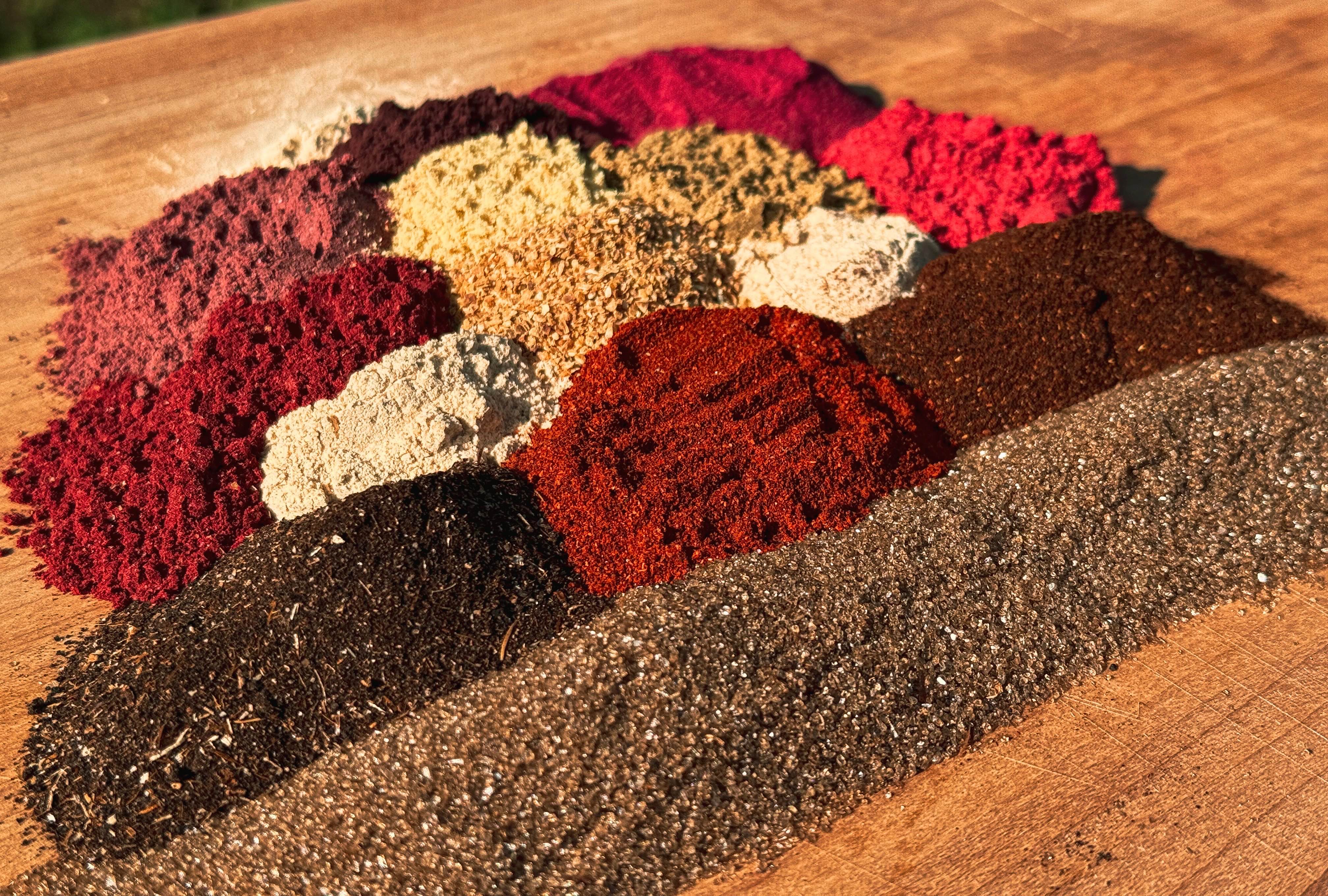
What the rub takes from the dish is the flavor logic — dark berries against smoke and salt, and the way concentrated fruit sugars behave under heat. In a jar of Original Wojapi Meat Rub™, blackberry, blueberry, lingonberry, black currant, and aronia are dried to powder and blended with hickory-smoked salt, smoked paprika, chipotle, toasted onion, mustard, coriander, and black garlic. On a brisket, those berry sugars caramelize into a dark bark that a salt-and-pepper rub can't produce. It's a modern product built on an old flavor relationship, not a reproduction of a traditional recipe.
Sources & Further Reading
- NDSU Extension — Wojapi (Berry Sauce), produced in collaboration with Cankdeska Cikana Community College, Spirit Lake Tribe
- Akta Lakota Museum & Cultural Center — Lakota Seasons & Moon Phases
- Lakota Times — Naming Moons and Months
- WoLakota Project — Timpsila, the Prairie Turnip
- Forager Chef — Wild Berry Thíŋpsiŋla Wóžapi
Lakota orthography follows the standard used by the Lakota Language Consortium. Spellings vary across published sources and communities.